What Viewers Asked Under Our Athlete Videos Changed How I Think About the Brief
An influencer brief can look complete from the app team’s side. The creator has shown the product, the video is live, and the description contains a link.
Then someone asks what the app is called.
Looking through the public record of our Nutrinaut integrations, I found several small questions like that. They do not measure the whole campaign. They do identify moments where a viewer was interested enough to ask for information that the next step should have made easy.
Two Adrians, two different settings
Adrian Colon, the creator behind BB Kickers, and Adrian Lee, the professional MMA fighter, are different people. Both appear in Nutrinaut’s creator history, and the settings around their videos are different.
The public BB Kickers examples include a footballer’s off-season routine, a full day of eating, and a college game day. Adrian Lee’s examples include solo training and day-in-the-life videos as a professional fighter. Alex Brown adds another football setting: a young player documenting his pursuit of a professional contract.
Here are four public reference points, with publication dates rather than relative “months ago” labels:
| Creator | Video | Published |
|---|---|---|
| BB Kickers | Off-season routine | 1 June 2025 |
| BB Kickers | College athlete game day | 3 September 2025 |
| Adrian Lee | A day in the life as a pro fighter | 10 April 2026 |
| Alex Brown | POV day in the life of a footballer | 29 March 2026 |
Each linked description contains Nutrinaut information, giving us a public record of the integration to review alongside the brief.
 BB Kickers ?
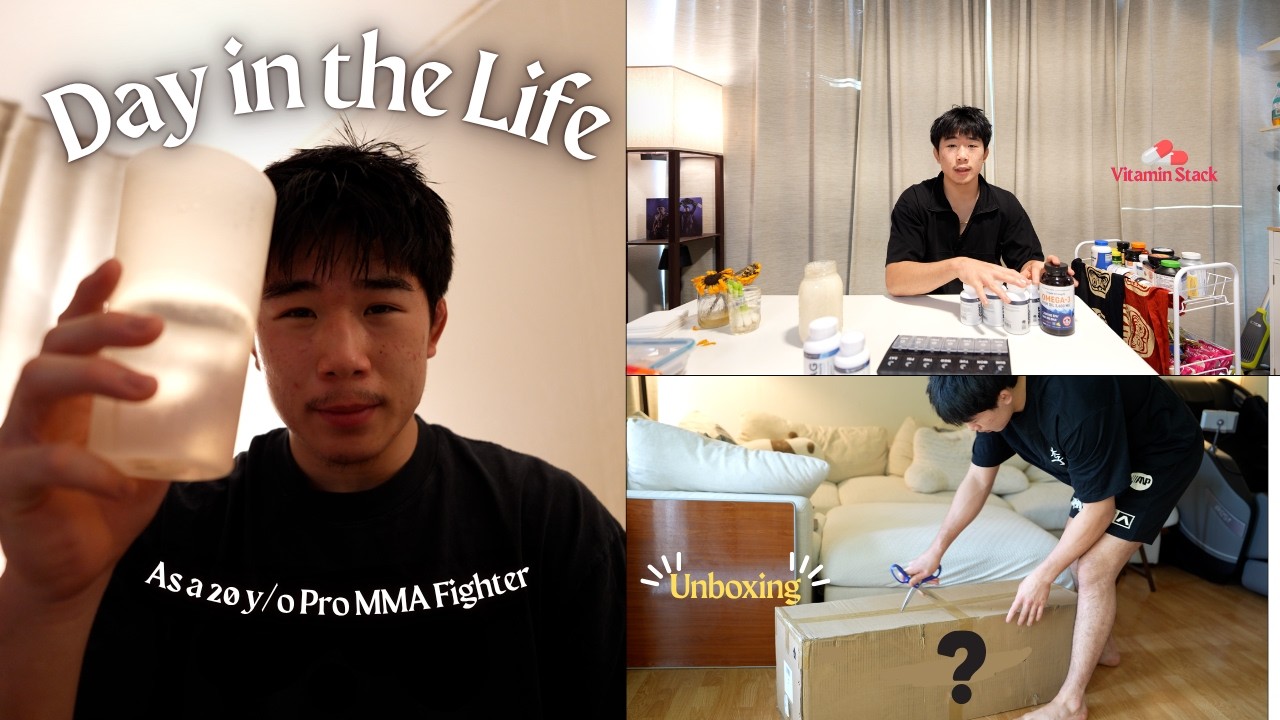 Adrian Lee ?
 Alex Brown ?
A viewer remembered the job, but still needed the name
Under the BB Kickers college game-day video, one viewer asked:
what app do u use for calculating calories
Under Adrian Lee’s April video, another asked:
What is the sleep app called
The questions use different descriptions of the job: calculating calories and understanding sleep. That is useful language for us to notice as the product develops. The interpretation is mine; two comments are not a representative survey of either audience.
They also suggest a practical review question. After watching the integration, could someone recognize the product’s name and find the correct link without posting a question? That is something we can check in the finished sequence.
Platform discovery is part of the integration
A comment under BB Kickers’ off-season video asks whether the app is in the Play Store and says the viewer cannot find it. Original comment.
The comment does not identify the viewer’s device, location or search steps, and its relative posting date does not establish exactly when the difficulty occurred. I cannot diagnose an Android release problem from that alone.
It still identifies a real discovery question. A viewer’s route continues after the video: recognize the app, choose the right platform, reach the listing and understand the product waiting there.
Alex Brown’s video provides a concrete delivery example. Its description includes separate iPhone and Android Nutrinaut links, and a creator-authored comment repeats that next step. The links contain a campaign label for his integration. That is an observable part of the setup; it is not evidence that attribution was captured correctly or that the people who clicked became subscribers.
The brief I would check against those questions
Our archived soccer-production brief proposed an early meal-scanning moment and a later return to the app within the routine. That is more specific than asking the creator to mention a list of features.
I would now review the finished video against three additional questions:
- Recognition: is the name readable and understandable at the point someone wants to act?
- Continuity: does the app shown match the listing and offer linked below the video?
- Relevance: does the interaction make sense within this creator’s day, without promising more than the product can support?
For this review, the exact Nutrinaut-linked posts matter. A creator’s general training content cannot tell us whether our particular app segment supplied a readable name or a usable next step.
Use the comments for the question they answer
The examples above came from a partial sample of public comments checked on 3 November 2026. Some came from prominent comments; the sample is not complete or random. An absence of Nutrinaut mentions in the sample would not mean an integration produced no response.
What these particular questions give us is a set of checks we can act on. They ask for a name, describe the feature in the viewer’s own words, and expose a difficulty finding the product. That is useful feedback on an influencer brief. It does not need to become a conversion claim to be worth keeping.
Disclosure: I work on Nutrinaut. Public video descriptions, creator-written promotion, viewer comments and our own source-questionnaire answers are different kinds of evidence. The quoted comments are linked individually and are not presented as a measure of campaign profitability.